

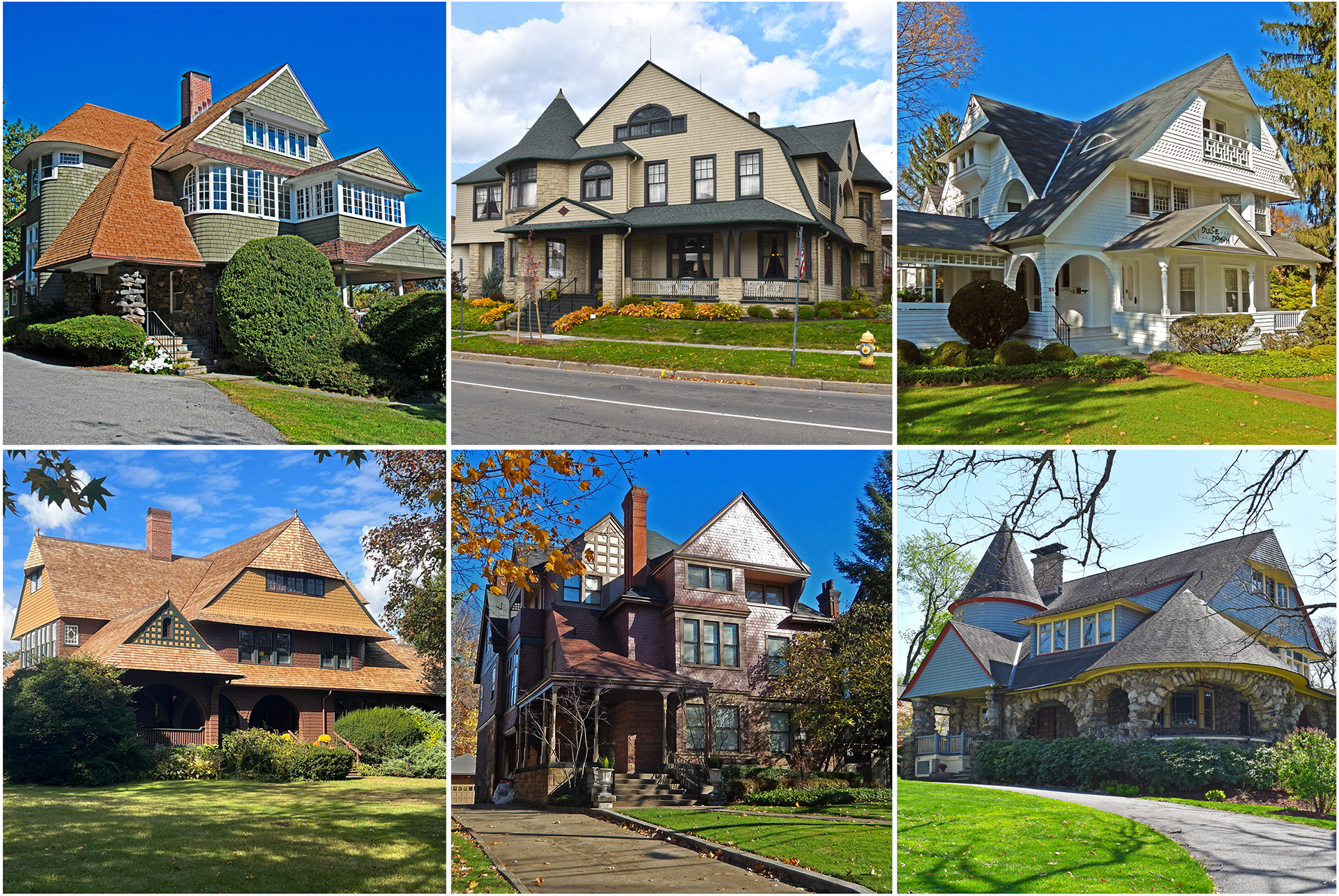
Shingle style house designs by architect E. G. W. Dietrich
Shingle Style
The Shingle style is modern classification for a particular subset of late Victorian/ Queen Anne buildings developed by the renowned architectural historian Vincent Scully. The style emerged from a renewed appreciation for America's colonial period vernacular architecture. With origins in the seaside resorts of the northeast, where its shingle cladding proved to be a good match for the harsh climate, the style made use of natural materials (wood, stone, and pebbledash), asymmetrical forms, horizontal expression, and a blending of interior and exterior spaces through porches, balconies, and piazzas.
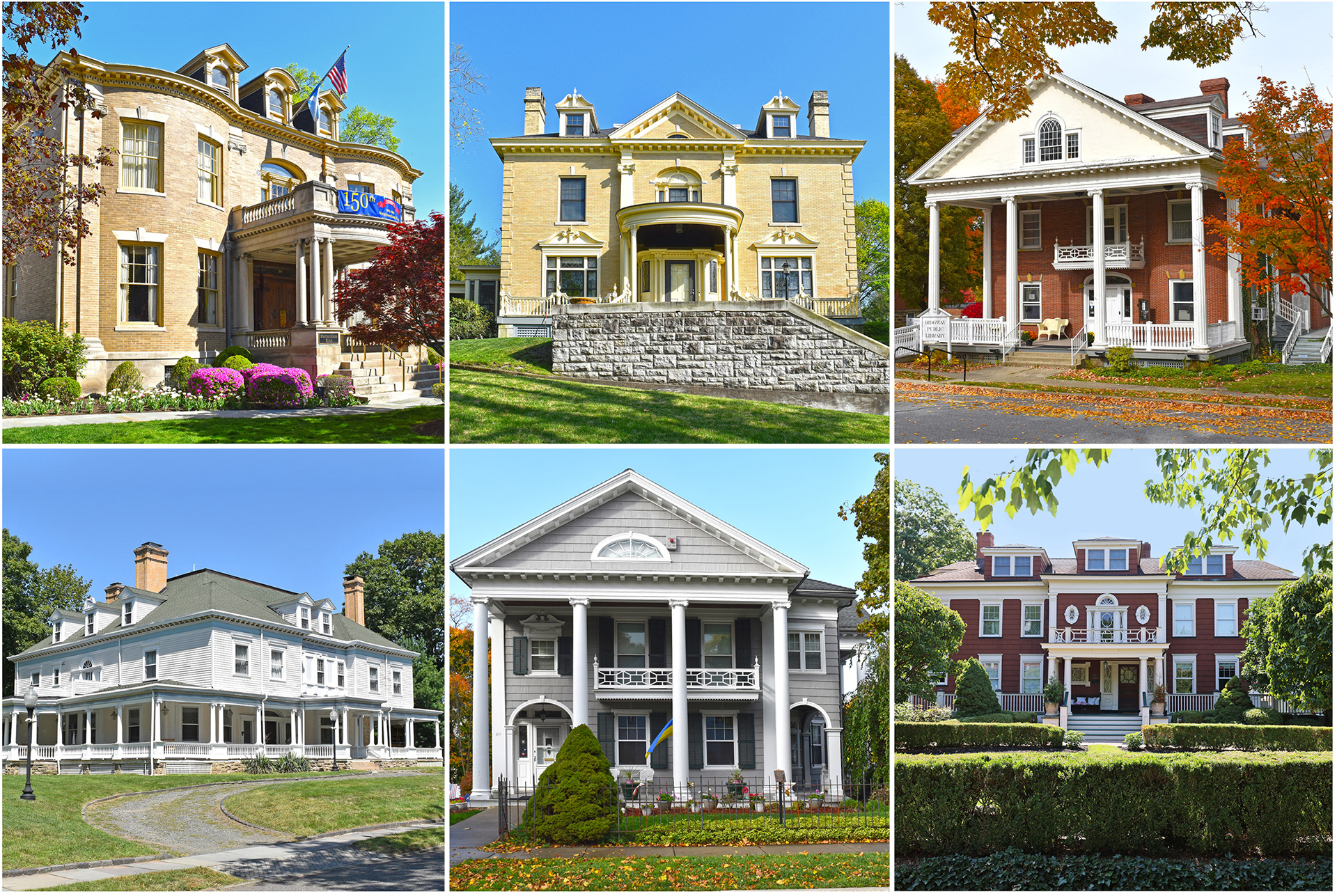
Colonial Revival house designs by architect E. G. W. Dietrich
Colonial Revival
Largely inspired by the celebration of the 100th anniversary of the United States in 1876 and particularly the Centennial Exposition in Philadelphia, the Colonial Revival style re-interprets architectural elements of Georgian-influenced American colonial era designs. Buildings in this style generally have symmetrical massing, porticos, fenestration with ornate muntins, and decorative railings and balustrades. Dietrich was an early proponent of the Colonial Revival style; he designed his own c. 1891 house Sandanona in this style.
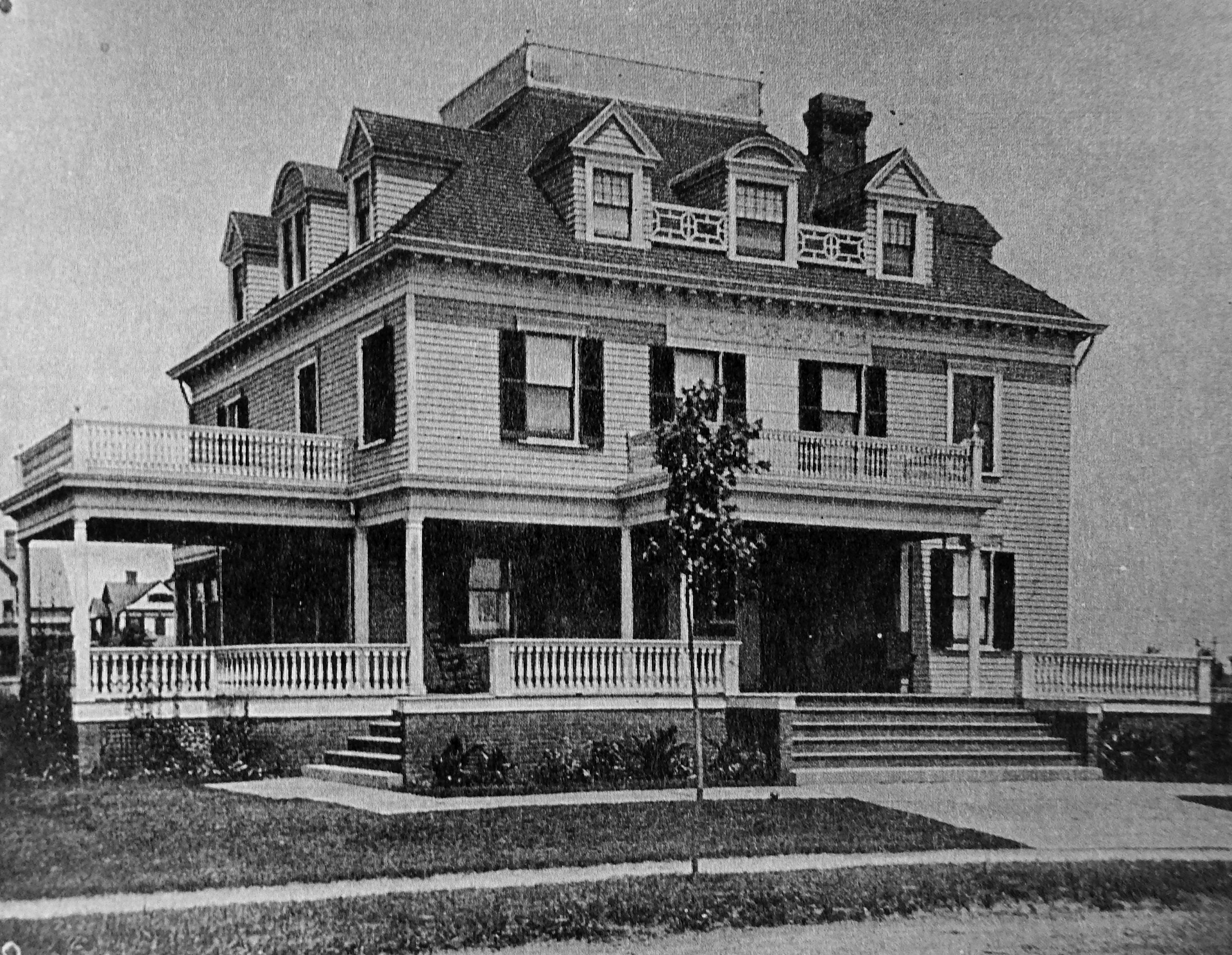
Architect E. G. W. Dietrich's c. 1891 Colonial Revival style house Sandanona.
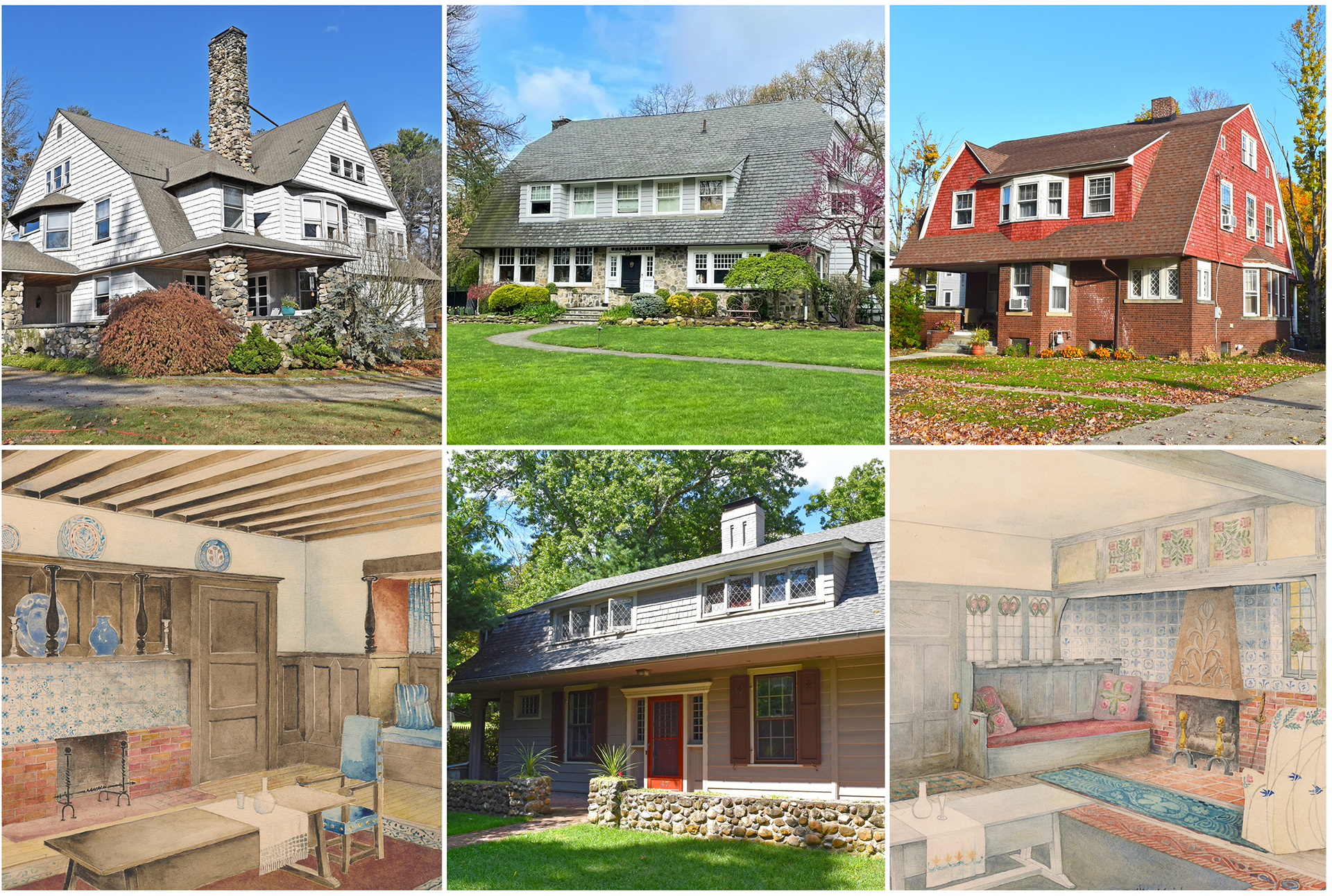
Arts and Crafts houses deigns by architect E. G. W. Dietrich
Arts and Crafts
The Arts and Crafts style is part of a larger artistic and social movement that came to the United States from the United Kingdom at the end of the Victorian era. As a response to the rapid industrialization of the proceeding decades, the movement valued quality materials and fine craftsmanship over mass-produced assembly and decoration. The artistic expression of the Arts and Crafts movement was holistic including the design of woodwork, furniture, ceramics, fabrics, metalwork, and architecture. Gustav Stickley was an American proponent of the Arts and Crafts movement through his furniture design and publication of The Craftsman magazine. Architect E. G. W. Dietrich designed the first "Craftsman" house published in the May 1903 edition of The Craftsman. Combining Dietrich's domestic architectural ideas with Stickley's furniture, the design was a synthesis of Arts and Crafts ideals.